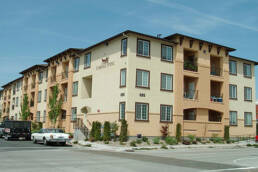
Shared housing is when two or more people share a living space for mutual benefit. There’s the owner or renter of a property and a person who moves in after agreeing to terms and conditions, which often includes rent and other aspects, such as housework. The terms of each home share agreement are unique. Terms depend on personal needs, preferences, and financial situations. While no two circumstances are exactly the same, home sharing is largely just people helping people in the same house.
Shared housing offers a unique supportive living option – companionship, affordability, and a sense of community. The benefits of shared housing include companionship and social connections. Shared housing provides an opportunity for seniors to form meaningful relationships and combat feelings of isolation and loneliness. It is estimated that over 26 million over the age of 50 are living alone. Many choose living alone but those who experience a death of a spouse, no children, or no nearby living relatives may feel lonely and isolated. When you have a roommate or housemate, there’s always someone to share stories, laughter, and support, which generates warmth and affection.
Another major issue that shared housing confronts is financial stability. Sharing costs, such as rent, utilities, and groceries, helps seniors manage their finances more effectively. By splitting these expenses, you can stretch your retirement income further and enjoy a more comfortable lifestyle. In addition, to a shared housing arrangement, roommates often help one another with daily tasks and responsibilities. Whether it’s cooking, cleaning, or running errands, having a supportive network within the home ensures that everyone’s needs are met.
With the cost of living continuing to rise, it’s no wonder there is some interest in shared housing as a lifestyle choice. Some other benefits include complementary abilities, such as one roommate is unable to drive, but the other is an excellent cook. This combination can enhance the quality of life for both. Household tasks like cleaning, maintenance, and yard work can be divided, making day-to-day living easier for everyone involved. Knowing that someone is always there in case of a medical or other emergency can provide a sense of security. Families can feel more at ease knowing their loved ones are not living alone and have someone to look out for them. Roommates can support each other in staying active and independent, whether it’s through sharing rides or encouraging healthy habits.
Living in a shared housing environment can contribute to improved mental and emotional well-being. The presence of caring companions can reduce stress levels, increase happiness, and create a warm and comforting atmosphere. Shared housing also promotes sustainable living by encouraging resource-sharing by conserving energy and minimizing waste.
The internet has many places to search for housing options. Platforms like SeniorRoommates.com or Over60Homeshare cater explicitly to senior shared housing needs, offering listings that highlight accessibility features and community aspects. If you decide you would like to live in a shared housing environment then let’s talk. We need to set up a program to find potential candidates to develop a shared housing setting. The program would hook up candidates by reviewing and setting up interviews and home visits. Clearly, we need to conduct interviews, background and credit checks, and discuss expectations for each party.
Shared housing agreements include rent and utility payments, household duties, guest and pet policies, kitchen use and food sharing, internet use, and privacy. These agreements are flexible and customizable to meet the unique needs and preferences of each person. When we draw up agreements, we consider the following factors:
• Household responsibilities – Agree upon shared responsibilities, such as chores, maintenance, and household rules, to maintain a clean and organized space.
• Privacy and personal space – Establish boundaries and respect each other’s need for privacy and personal space within the shared living arrangement.
• Clear communication – Maintain open and honest communication to address any concerns or conflicts that may arise, fostering a supportive and respectful atmosphere.
Some potential downsides to consider in shared housing partnerships that clearly would need to be evaluated and monitored, especially by the program are:
• Personality clashing – Personality differences can lead to conflicts.
• Disagreements about pets – Pet ownership, behavior, or care.
• Different cleanliness and priority standards – What one person considers clean might not meet the other’s standards, leading to potential friction.
• Less privacy – Sharing a living space naturally means less personal space, which can be challenging for some.
• Sharing possessions – Sometimes, you just want to use your own stuff without having to share it.
• Shared spaces – One roommate might monopolize certain areas of the home or the TV, leading to frustration.
• Different noise thresholds– Variations in tolerance for noise levels can be a source of conflict.
• Disagreements about finances – Conflicts can arise over how to manage shared expenses, especially if financial contributions are unequal.
Assessing the pros and cons of house sharing can be dealt with by program staff and individuals considering the choices. Shared housing is certainly an option for many elders and in recent years, it has grown in popularity amongst the senior population. For this reason, there are now numerous home share services popping up around the country but not in northern Nevada.
There are several people that want to develop a shared housing program for the near future. If you are interested in participating as a planner or participant please contact me. What better way to “add life to years”.
Lawrence J. Weiss, Ph.D. is CEO of the Center for Healthy Aging. Dr. Weiss welcomes your comments on this column. Write to him at larryjweiss@gmail.com or c/o Center for Healthy Aging, 11 Fillmore Way, Reno, NV 89519.