Embracing Wellness at Every Age: A Guide for Living Vibrantly in Later Life
Wellness is not just about avoiding illness—it is all about thriving. No matter your age, it is truly possible to feel strong, sharp, and connected to your world and the people you love. The key? A simple proactive approach to your physical, mental, and emotional well-being.
What Wellness Really Means in Later Life.
As we age, our needs will change bit by bit, year by year. But the good news I offer to you now is that our ability to live well does not have to change. In fact, small daily habits can have a tremendous impact on how we feel, how we move, and how we enjoy life.
Staying active improves mobility, balance, and strength. Engaging the mind helps preserve memory and maintain clarity. Connecting with others brings joy and purpose. Together, these elements form a powerful foundation for lifelong wellness.
5 Simple Ways to Support Your Health and Happiness as You Age
1. Stay Physically Active
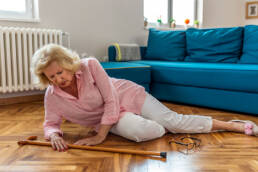
Movement is just like a good medicine. Whether it’s walking, stretching, swimming, gardening, etc., any regular activity where you consistently move your body keeps your muscles strong and your heart healthy. Yoga and tai chi are wonderful activities to do in a group or alone to facilitate healthy movement. Regular movement can also improve sleep, boost your mood, and help prevent falls. Move!
2. Eat Well to Feel Well
A nutritious diet will fuel your body and tremendously support your healing. Of course, most of us know the importance of eating well; what we must do is remember to make daily smart choices of nutrient-rich foods and beverages. For example; eating more slowly and mindfully can also make a noticeable difference in energy and digestion. Even small changes such
as switching out the chips for a piece of fruit with your lunch sandwich helps. Don’t forget to stay hydrated (lots of water, especially in our beautiful Nevada desert). Eat to Live Well!
3. Challenge Your Mind
Learning something new (really anything new) or engaging in the multitude of brain-stimulating activities can help maintain mental sharpness and confidence. Try puzzles, reading, learning a new skill, or even playing a musical instrument. The brain loves a challenge, and the more demanding, the better. Think Hard to Be Healthy!
4. Foster Social Connections
Spending time with family, friends, neighbors, or community/ church groups can help reduce unwanted stress and ward off those frustrating feelings of loneliness. A simple conversation, a hearty laugh, and shared uplifting experiences are absolute essential components of a joyful, healthy life. Get together to live better!
5. Prioritize Quality Sleep
Finally, a good night’s sleep can wake us up to improved mood, advanced memory, a more robust immune system, stress reduction and better overall physical health. Try setting a consistent bedtime, limiting screen time in the evening, and creating a peaceful environment (a quick spray of lavender essential oil!) to promote rest. Snooze to Health!
Wellness is Indeed a Lifelong Journey
While healthy habits are essential, having a plan in place for future care needs is equally important. Life can bring unexpected challenges—health changes, caregiving responsibilities, or navigating complex medical systems, and being proactive can make all the difference.
That’s where an Aging Life Care Manager® can help. These professionals are experts in aging well, offering guidance and support for both individuals and families. Whether it’s coordinating medical care, identifying resources, managing a crisis, or planning for long-term needs, an aging life care manager becomes a trusted partner in your wellness journey.
Please Remember: Our health is not just about adding years to our lives—it is so much about adding LIFE to our years. Be well!
Patricia Shelton, RN/CCM/President of Specialized Care management, Inc. is also an Advanced Professional Member of the Aging Life Care Association.