NCOA Expands State Participation in Direct Care Workforce Strategies Center
Key Takeaway
Direct care workers provide critical home and community-based services to older adults and people with disabilities, often helping them age in place and maintain independence in a setting.
Arlington, VA—The National Council on Aging (NCOA), the national voice for every person’s right to age well, in partnership with the U.S. Administration for Community Living (ACL), announced August 11, 2025 the next round of states and territories selected to participate in the Direct Care Workforce Strategies Center’s Technical Assistance Program.
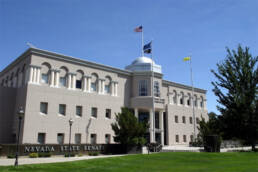
Nevada is among the eighteen teams selected to receive tailored support over the next year to advance solutions in recruitment, retention, well-being, and career advancement for the direct care workforce serving older adults and people with disabilities. These teams will focus on strategies to recruit new individuals into the direct care field.
Among the states joining in this effort are; California, Hawaii, Idaho, Nevada, Vermont, and West Virginia. This work focuses on designing and testing career pathways or registered apprentice-ship models that provide on-ramps into the field, pair training with paid work experience, mentorship, and clear progression opportunities.
Launched in 2024, the announcement comes at a critical time, as the demand for professionals in home and community-based services continues to rise. According to studies, over 860,000 new direct care professionals will be needed by 2032 to meet growing demand, which is more new jobs than any other occupation in the U.S.
“We need an all-hands-on-deck approach to recruit, retain, and train the direct care workforce to effectively support older adults and people with disabilities to live and thrive in the community,” said Mary Lazare, Acting ACL Administrator and Assistant Secretary for Aging. “The DCW Strategies Center will support states to replicate and scale strategies that will have near-term and long-lasting impact.
“A strong direct care workforce isn’t a ‘nice to have’—it’s the backbone of how we support older adults and people with disabilities to live with dignity and independence” said Ramsey Alwin, NCOA President and CEO.
“Supporting a strong health care workforce is a top bipartisan priority for Governors. Direct care professionals play a critical role in providing the care older Americans and people with disabilities need and deserve, yet this workforce is stretched thin in state after state. As Governors work to implement innovative strategies to recruit, train, and retain the next generation of caregivers, NGA welcomes the opportunity to partner with NCOA and ACL to support this vital work.” – Bill McBride, Executive Director, National Governors Association.
Other State Recruited Initiatives:
Well-Being at Work: These teams will focus on improving the day-to-day experience of direct care professionals, including supportive services, responsive trainings and cultivating strong workplace culture—Alabama, Colorado, Kansas, New Hampshire, Puerto Rico, and Tennessee. Activities will advance the safety, stability, and well-being of the DCW through a focused set of strategies designed to enhance job quality. This includes developing models that improve access to benefits and assessing and improving provider workplace culture.
Career Progression: These teams will focus on building clear and meaningful career pathways, training, and credentialing opportunities—Iowa, Maine, Massachusetts, North Carolina, Oregon, and Washington. States have indicated their interest in designing and implementing a DCW career lattice framework across state aging, disability, workforce, and Medicaid systems—outlining multiple, flexible pathways for advancement.