Three steps you can take to guard against Medicare fraud.
Every day, Medicare fraud affects people with Medicare and their families across the U.S. – regardless of background. It’s not just the Medicare program that suffers when fraud occurs. Patients may also discover that they can’t get the health care they need.
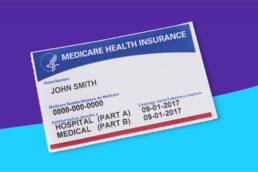
If someone gets your Medicare number, they can make charges that may exhaust your allotment of benefits. If they charge Medicare for medical visits that you never made or equipment you didn’t purchase, your number could be flagged for overuse, and doctors may refuse to see you. These are just two examples of how fraud can end up hurting you directly.
Scammers know the ins and outs of the Medicare system and their attempts can be well thought-out. It’s not always easy to know when and where fraud is occurring. By remembering some simple but effective tips, you can protect yourself against scams, including identity theft and prescription drug fraud. Remembering to protect, detect, and report fraud helps everyone, including you.
1. Protect
Protecting your personal information is your best line of defense against health care fraud. Treat Medicare, Medicaid, and Social Security numbers like credit card numbers. Never give them to a stranger and don’t carry your cards unless you need them for appointments. Medicare doesn’t call or visit to sell you anything. Outside of a trusted health care setting, never give this information to anyone who asks for it.
2. Detect
No matter how careful you are, you may be targeted for fraud. Always review your Medicare statements closely. Things to look for include charges for something you didn’t purchase or receive, duplicate charges, and charges for services not ordered by your doctor. Compare these documents to your personal records and receipts. Recording medical visits and procedures in a journal or on a calendar can help you keep track of what happened at each appointment and make it easier to spot inaccuracies.
3. Report
If you suspect you’ve been a target of fraud, report it. This can help you and others at risk for fraud. If you have questions about your Medicare statements, call your health care provider.
If you’re uncomfortable calling or are not satisfied with the response, help is available through your local Senior Medicare Patrol (SMP). SMP volunteers work with Medicare beneficiaries
group homes, another option that might be worth considering depending on your circumstances. I just learned of a brand-new group home, The ASPEN Home for Seniors, located 2000 Palisade, in a quiet residential neighborhood, just off of Plumb Lane. It was purchased, restored and enlarged by the new owners. The first residents will move in October 1 and they are accepting reservations. It’s fully licensed offering 10 private studio rooms, delightful public living space opening onto a lovely garden. Tours can be scheduled by going online to info@aspenhomeforseniors.com or calling 775-431-2961.
Protect, Detect, and Report
Three steps you can take to guard against Medicare fraud
and their families and caregivers to stop health care fraud, errors, and abuse. You can also report suspicious calls and ask general questions through this resource. You can find your local SMP program by calling 1-877-808-2468 or at SMPresource.org.
Suspected fraud also can be reported to 1-800-Medicare or by calling 1-800-HHS-TIPS.
Don’t hesitate, if you need help.
Funded by the Administration for Community Living, part of the U.S. Department of Health and Human Services, the SMP programs provide outreach, counseling, and education by highly trained volunteers in a variety of locations. For free, confidential support, contact your local SMP program.