Burning Man is a desert festival that blends art, music, community, and radical self-expression. More than just an event, it’s a temporary city built on creativity, connection, and cultural experimentation. It is also a cultural movement rooted in principles of creativity, participation, and community, inspiring new ways of thinking about art and social interaction.
Burning Man attracts a diverse group of artists, tech professionals, free spirits, entrepreneurs, and adventurers from around the world. There is no official audience, everyone is a participant. Attendees come to co-create the experience, offering everything from food and art to workshops and performances. Community members play an active role in shaping the event and upholding its values, embodying the principles of civic responsibility, communal effort, and participatory culture.
Burning Man began as a bonfire ritual on the summer solstice at Baker Beach in San Francisco in the 1980’s. They built a wooden effigy and burned it. This action was later described as a spontaneous act of “radical self-expression”. The man started out small but in1988 the Man grew to 30 feet and the summer solstice ritual was named “Burning Man”. Then in 1990 the event was moved to the Black Rock Desert with sculptures to be burned and situationist performance art. Burning Man has gone through some amazing changes and adaptations since it’s beginning. Uptaining permits, growth, and pandemics have had their effects with over 70,000 participants in recent years.
Burning Man is an annual week-long event that celebrates radical self-expression, creativity, and community. Participants, known as “Burners,” gather to build a temporary city filled with large-scale art installations, theme camps, and performances. The climactic burn of the Man effigy is a central ritual, symbolizing the event’s core values and artistic spirit. It’s not a typical festival—nothing is bought or sold and everyone is expected to participate and contribute.
The Burning Man lifestyle extends beyond the annual event itself, embodying a set of principles and values that participants, known as “Burners,” often carry into their daily lives. Here are the key elements that define the Burning Man lifestyle:
Radical Inclusion: Embracing all individuals and communities, encouraging diversity and openness.
Gifting: Promoting a gift economy where giving is unconditional and not based on reciprocity.
Decommodification: Minimizing commercialism and promoting a culture that avoids transactional exchanges.
Radical Self-reliance: Encouraging individuals to rely on their own inner resources and abilities.
Radical Self-expression: Allowing individuals to freely express themselves in unique and creative ways, often by offering unique gifts that showcase personal creativity.
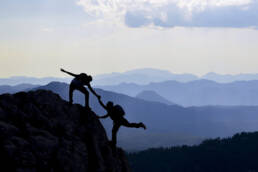
Communal Effort: Fostering a spirit of collaboration and cooperation within the community. This includes the creation of sacred spaces for reflection, ritual, and connection.
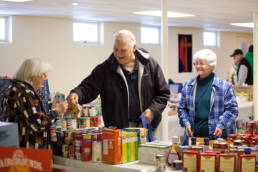
Civic Responsibility: Encouraging participants to act responsibly and contribute positively to their communities. Burning Man encourages participants to strengthen civil society and support public welfare by taking responsibility for the well-being of the community and upholding lawful conduct within the event’s social framework.
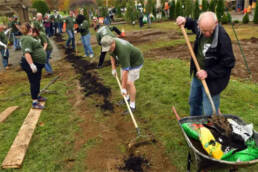
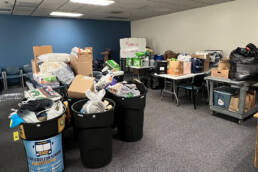
Leaving No Trace: Promoting environmental stewardship by ensuring that all traces of the event are removed, minimizing matter out of place to protect the environment, and leaving the environment pristine.
Participation: Encouraging active involvement and engagement in all aspects of the community and event. Burning Man fosters a participatory experience, where every attendee is invited to contribute, collaborate, and shape the communal environment.
Immediacy: Emphasizing the importance of experiencing the moment and being present.
Many Burners report personal transformation and growth as a result of their experiences, leading to a more fulfilled and intentional life. Burners often engage in social activism and community service, inspired by the values of civic responsibility and communal effort experienced at Burning Man. What better way to “Add Life to Years”.
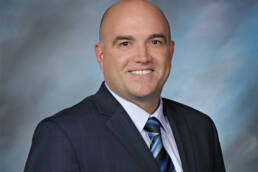
Lawrence J. Weiss, Ph.D. is CEO of the Center for Healthy Aging. Dr. Weiss welcomes your comments on this column. Write to him at larryjweiss@gmail.com or c/o Center for Healthy Aging, 11 Fillmore Way, Reno, NV 89519.